

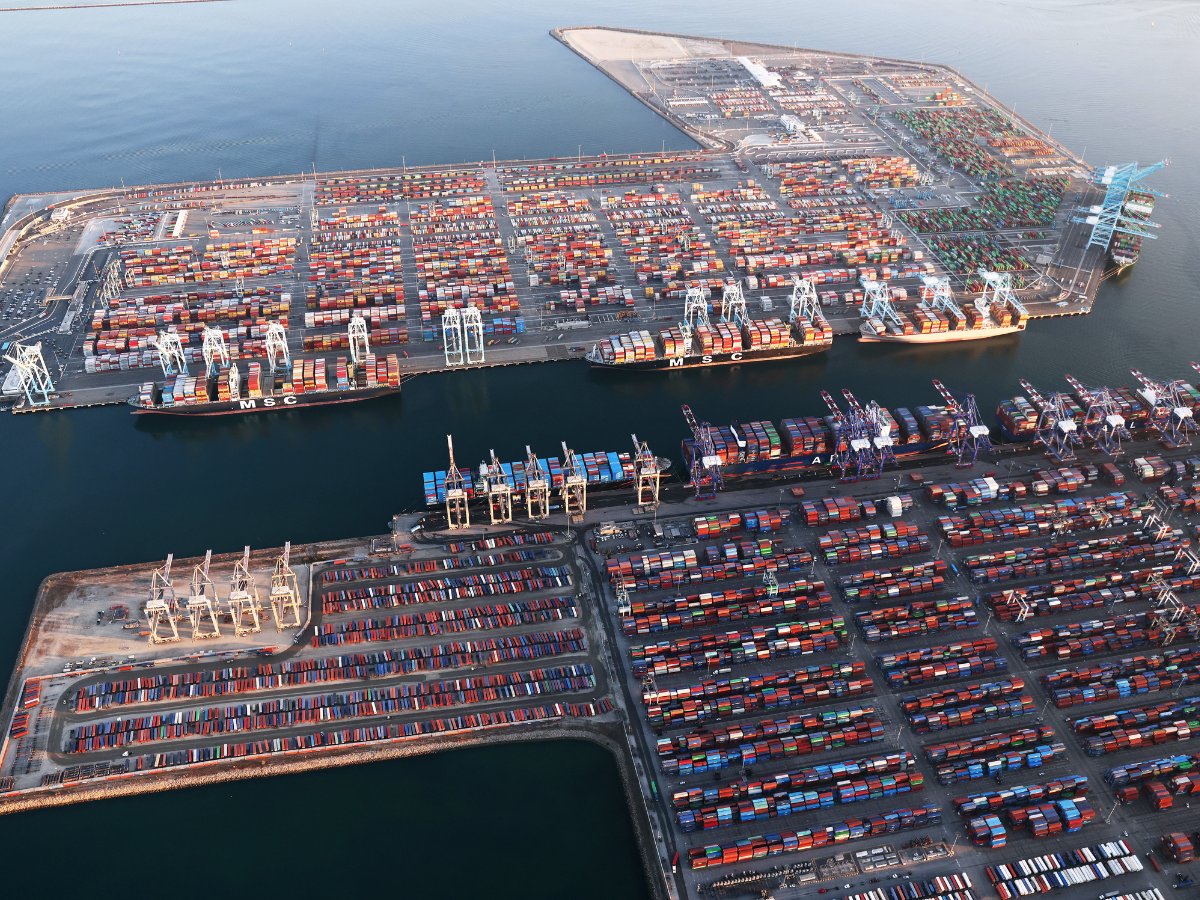
Recent data from the Port of Los Angeles shows a dramatic 30% drop in shipments in early May, following the announcement of potential new tariffs on Chinese goods. While headlines often focus on the geopolitics of global trade, it’s important to zoom in on what this shift means for everyday U.S. businesses – especially small to mid-sized companies already facing tight margins and uncertain demand.
A Signal That Supply Chains Are Slowing Down
When container volumes drop, it’s more than just a logistics problem—it’s a signal that supply chains are bracing for impact. Importers are pulling back orders to avoid higher costs, and many are sitting on the sidelines to see how tariffs play out. This creates a ripple effect across multiple sectors:
-
Distributors face inventory gaps as expected shipments are delayed or canceled.
-
Manufacturers struggle with forecasting, unsure how long lead times or cost increases might affect their production cycles.
-
Retailers may miss key seasonal windows, losing out on vital revenue.
Higher Tariffs, Higher Uncertainty
Even the speculation of tariffs is enough to disrupt business plans. For companies that import parts, raw materials, or finished goods, an unexpected duty hike can suddenly erode profit margins. And while larger corporations may have buffers or multiple sourcing options, smaller businesses don’t always have that luxury.
This type of economic uncertainty tightens cash flow—right when companies need flexibility the most.
A Need for Adaptive Capital
In volatile times, access to flexible working capital can mean the difference between opportunity and missed potential. That’s where Sallyport comes in. Whether your business needs to bridge cash flow gaps, stockpile inventory, or weather delays in receivables, our asset-based lending solutions are built to support businesses that can’t afford to stand still.
We’ve worked with companies in manufacturing, logistics, retail, and more—helping them stay agile as conditions shift.
The Bottom Line
The current slowdown at U.S. ports may be driven by policy, but its effects are deeply personal for the businesses navigating the fallout. At Sallyport, we believe access to capital shouldn’t be yet another obstacle for companies trying to grow responsibly and sustainably.
If your business is feeling the effects of shifting trade patterns or uncertain supply chains, we’re here to help you keep moving.

Electric Vehicle Market Rich with Business Opportunity
The electric vehicle is nothing new, surprisingly in fact the very first concepts of electric transportation came about over a…

How to Choose an Invoice Factoring Company
You’ve already done your research and invoice factoring seems to be the most suitable option for financing your business. Other…
AG Machining Client Testimonial
AG Machining Client Testimonial

American Business Women’s Day
Sallyport Commercial Finance Celebrates American Business Women’s Day